THE SOLEUS: THE MOST IMPORTANT MUSCLE YOU’VE NEVER HEARD OF
Why this tiny muscle in your lower leg behaves like an energy station for your whole body
Let’s talk about a part of your body that almost nobody ever mentions.
Your lower leg has a small, quiet muscle called the soleus.
Most people don’t know it exists. It never trends on social media, it’s not talked about in gym culture, and you probably won’t hear about it at the doctor’s office.
THE SOLEUS: THE MOST IMPORTANT MUSCLE YOU’VE NEVER HEARD OF

Why this tiny muscle in your lower leg behaves like an energy station for your whole body
Let’s talk about a part of your body that almost nobody ever mentions.
Your lower leg has a small, quiet muscle called the soleus.
Most people don’t know it exists. It never trends on social media, it’s not talked about in gym culture, and you probably won’t hear about it at the doctor’s office.
Yet this forgotten little muscle has an enormous impact on how you feel, physically, emotionally and energetically.
Once you understand it, so many symptoms suddenly make sense.
What Exactly Is the Soleus?
The soleus sits under your calf muscle.
It isn’t a show-off muscle. It doesn’t flex dramatically. You can’t see it in the mirror.
But it has a very special job.
While most muscles contract and rest, the soleus works gently all day long, helping to pump blood back up your legs towards your heart.
That might not sound glamorous, but it is absolutely vital because gravity constantly pulls blood downward. If your lower legs didn’t help push it back up, your heart would struggle.
This is why some researchers call the soleus the “second heart”.
But that’s just the beginning.
The Soleus Is Not Just a Muscle, It’s an Energy Relay Station
The soleus sits right where your body connects to the Earth.
When you stand, walk, or even shift your weight slightly, the soleus contracts.
Every one of these contractions helps:
• move blood
• move lymph
• move electrical energy
• and send signals upward through the body
The soleus links into the fascia, the connective tissue web that touches every organ and system.
This fascia reaches the heart, the diaphragm, the vagus nerve, and even the brain.
So when the soleus fires, it’s not just moving blood.
It’s sending information.
This is why I describe it as an energy transmission station.
When the soleus is active and well supported, your whole system feels clearer and steadier.
But when it’s tight, tired, depleted, or missing crucial minerals (like magnesium), you may feel:
• anxious
• lightheaded
• heavy in the legs
• puffy
• ungrounded
• fatigued
• or even experience heart flutters and palpitations
I know this sounds like a big claim…
But wait until you see how magnesium ties in.
Why Magnesium on the Soleus Works So Well
You know how I often encourage people to apply magnesium gel on the lower legs?
For years, clients have told me:
“My palpitations stopped.”
“My anxiety calmed.”
“My legs feel lighter.”
“I slept better.”
“My energy feels more grounded.”
Not once did I think this improvement was connected to the soleus.
Yet now it makes perfect sense.
Here’s why magnesium works so beautifully here:
The soleus is packed with nerve endings and mitochondria
It’s highly responsive to minerals.
Magnesium restores the electrical balance of this muscle almost instantly.
Magnesium regulates the heart rhythm
When the soleus is tight or electrically depleted, the heart gets strange signals.
Magnesium relaxes this lower-leg relay station which sends a calmer, clearer signal upward.
Magnesium improves grounding
Magnesium increases conductivity in the fascia.
Better conductivity = better grounding = better emotional stability.
Magnesium moves lymph and improves circulation
The soleus does the pumping, but magnesium helps the muscle relax, expand, and function.
So when clients say their palpitations improve, they aren’t imagining it.
We’ve been supporting their cardiovascular and energetic system through a gateway muscle we didn’t know was so important.
Why the Soleus Matters for Health
Once you understand the role of the soleus, you can see why so many symptoms can trace back to this one area.
A supported soleus can improve:
• circulation
• lymph flow
• heart rhythm
• blood pressure
• vagal tone
• anxiety
• sleep
• energy levels
• inflammation
• groundedness
• emotional resilience
This little-understood muscle plays a far bigger role in our health than anyone talks about.
How You Can Support Your Soleus
You don’t need fancy equipment.
Here are simple steps:
• gentle calf raises
• walking
• grounding (bare feet on the Earth)
• applying magnesium gel/oil to the lower legs
• hydration with minerals and your salt sole
• low-inflammatory eating so there’s less systemic stress
All of these strengthen the soleus, improve electrical signalling, and lighten the load on your heart.
Final Thoughts
The soleus might not be glamorous, but it is powerful.
It’s the quiet muscle that keeps everything moving, fluids, energy, electrical messages and emotional stability.
Once you start supporting it, you may be amazed at how much better your whole system feels.
Let me know if you’d like a guided video, exercise demo, or a quick magnesium tutorial. I’m more than happy to create these.

"Revive Your Hormones, Shrink Your Waist: Embracing Animal Fat for Optimal Health!"
Hormonal health and weight management are two crucial aspects of overall well-being that profoundly impact a person's physical and mental health. Understanding their significance can lead to better lifestyle choices and improved quality of life. Here's a breakdown of each:
If we don’t have enough fat, specifically the profile of animal fats, then we can’t make these vital hormones and then the body goes into chronic stress, without the benefits of the hormones to support the process.
As a, now, committed carnivore, I wanted to share what I have learnt over the last few years.
Today, I a sharing the benefits of animal fats with a focus on hormonal health. For many of my clients who are dealing with menopausal weight gain, hormonal challenges plus fertility. This can be a game changer.
Hormonal health and weight management are two crucial aspects of overall well-being that profoundly impact a person's physical and mental health. Understanding their significance can lead to better lifestyle choices and improved quality of life. Here's a breakdown of each:
Significance of Hormonal Health: Hormones are chemical messengers produced by various glands in the endocrine system. They are pivotal in regulating numerous bodily functions, including metabolism, growth and development, reproduction, mood, and stress response. When the hormonal system functions optimally, it maintains a delicate balance that supports overall health and homeostasis.
If we don’t have enough fat, specifically the profile of animal fats, then we can’t make these vital hormones and then the body goes into chronic stress, without the benefits of the hormones to support the process.
The significance of hormonal health lies in its influence on various physiological processes, such as:
Metabolism: Hormones like insulin, thyroid hormones, and cortisol affect how the body processes and stores energy from food. An imbalance in these hormones can lead to metabolic disorders and weight issues.
Reproduction: Hormones like estrogen and testosterone are essential for reproductive health and fertility. Hormonal imbalances can affect menstrual cycles, fertility, and sexual function.
Mood and Mental Health: Hormones, including serotonin and dopamine, impact mood and emotional well-being. Hormonal imbalances are linked to mood disorders like depression and anxiety.
Bone Health: Hormones like estrogen and testosterone are crucial for maintaining bone density and preventing osteoporosis.
Immune Function: Some hormones influence the immune system's response to infections and illnesses, affecting the body's ability to defend against diseases.
Understanding the significance of hormonal health and weight management is vital. After all, if you know why, it makes adhering to a program so much easier. By prioritising these aspects of health, individuals can work towards achieving overall well-being and a healthier, happier life.
Animal fat is vital in supporting hormonal health in the human body. Contrary to the misconceptions of the past, not all fats are harmful; in fact, healthy fats are essential for overall well-being, and animal fats are king. Here's how animal fat contributes to hormonal health:
Cholesterol and Hormone Production: Cholesterol is a crucial building block for synthesising hormones. Many hormones, including sex hormones like estrogen, progesterone, testosterone, and adrenal hormones like cortisol, are derived from cholesterol. Animal fats are rich in cholesterol, providing the necessary raw material for hormone production.
Satiety and Hormonal Regulation: Animal fats are dense in calories and slow to digest, contributing to fullness and satisfaction after meals. This satiety factor helps regulate hormones related to hunger and appetite, such as leptin and ghrelin, promoting better appetite control and preventing overeating.
Essential Fatty Acids: Animal fats contain essential fatty acids, specifically omega-3 and omega-6, crucial for the body's hormonal balance. These fatty acids play a role in cell membrane integrity and signal transduction, influencing how hormones interact with their target cells.
Vitamin Absorption: Certain fat-soluble vitamins, such as A, D, E, and K, are vital for hormonal health. Animal fats facilitate the absorption of these vitamins from the digestive tract, ensuring their availability for various physiological processes, including hormonal regulation.
Hormonal Health and Metabolism: Hormones are intricately involved in regulating metabolism. When consumed as part of a balanced diet, animal fats can positively influence hormonal pathways related to metabolism and energy expenditure, supporting weight management efforts.
Saturated Fats and Hormones: Animal fats, particularly those from grass-fed or pasture-raised animals, contain saturated fats that are essential for hormone production. Saturated fats are the preferred fuel for specific tissues and play a role in hormone signalling and function.
Brain Health and Hormonal Regulation: The brain is influenced by hormones, and animal fats benefit brain health and cognitive function. Healthy fats, such as those found in animal products like fish, can positively impact neurotransmitter function and hormonal regulation within the brain.
Hormonal Balance for Women: Animal fats are associated with better hormonal balance in women, particularly during reproductive years. Balanced hormones are crucial for women's regular menstrual cycles, fertility, and overall well-being.
It's important to note that while animal fats can benefit hormonal health, moderation and choosing healthier sources of animal fats are essential. Opt for grass-fed, pasture-raised, or wild-caught animal products when possible, as they tend to have a more beneficial fatty acid profile than grain-raised counterparts.
Animal Fat and Weight Loss
Contrary to the common misconception that fats lead to weight gain, animal fats can assist in weight loss when consumed as part of a carnivore program. Here are several ways in which animal fats support weight loss:
Satiety and Reduced Cravings: Animal fats are calorie-dense and take longer to digest, which helps promote a feeling of fullness and satiety after meals. When you feel satisfied, you are less likely to experience intense hunger or frequent cravings for unhealthy snacks, leading to reduced overall calorie intake.
Stabilising Blood Sugar Levels: Eating animal fats helps you balance your blood sugars. You are helping prevent sharp spikes and crashes in blood sugar levels, leading to more stable energy levels and reduced cravings for sugars and carbohydrates.
Hormonal Regulation: As discussed earlier, animal fats contribute to hormonal health by providing essential building blocks for hormone production and supporting hormonal balance. Balanced hormones are crucial in managing weight and influencing metabolism, appetite, and fat storage. Plus, having balanced hormones also benefits the rest of your life.
Essential Nutrients: Animal fats, especially those from grass-fed or pasture-raised sources, are rich in essential nutrients like omega-3 fatty acids, conjugated linoleic acid (CLA), and fat-soluble vitamins (A, D, E, K). These nutrients regulate metabolism, fat burning, and overall health, contributing to a more efficient weight loss process.
Increased Fat Burning: Contrary to what one might expect, consuming healthy animal fats can promote the body's ability to burn stored fat for energy. This process, known as lipolysis, is essential for weight loss as it helps reduce body fat levels.
Thermogenesis: Studies suggest that specific types of animal fats, such as medium-chain triglycerides (MCTs) found in dairy products, may promote thermogenesis. Thermogenesis is the process by which the body generates heat and burns calories during digestion, potentially aiding weight loss efforts.
Nutrient Absorption: As mentioned earlier, animal fats help absorb fat-soluble vitamins, which are essential for various physiological functions, including metabolism and appetite regulation. Better absorption of these nutrients can support overall health and improve weight management.
Ketosis and Low-Carb Diets: Animal fats are an integral part of ketogenic and low-carb diets, which have gained popularity for their potential to promote weight loss. These diets shift the body into ketosis, which relies on fat as its primary fuel source, leading to increased fat-burning and weight loss.
Animal fats significantly support brain health and cognitive function due to their unique composition of essential nutrients and fatty acids. Here are some of the positive effects of animal fats on the brain:
Omega-3 Fatty Acids: Animal fats from specific sources, such as fatty fish (e.g., salmon, mackerel, and sardines), are rich in omega-3 fatty acids, particularly docosahexaenoic acid (DHA). DHA is a crucial component of brain cell membranes and is essential for the proper functioning of brain cells, enhancing cognitive function and supporting overall brain health.
Neurotransmitter Function: Animal fats contain saturated fats, essential for maintaining brain cell membranes' integrity. These fats support the communication between brain cells by facilitating the transmission of signals through neurotransmitters such as serotonin, dopamine, and acetylcholine. Proper neurotransmitter function is vital for mood regulation, memory, and cognitive performance.
Brain Structure and Development: DHA, present in animal fats, is critical during early brain development. It is a major structural component of the brain, and adequate intake during pregnancy and infancy can positively influence children's brain growth and cognitive abilities.
Antioxidant Properties: Animal fats found in grass-fed meat contain antioxidants like vitamin E. These antioxidants help protect brain cells from oxidative stress linked to age-related cognitive decline and neurodegenerative diseases.
Improved Memory and Learning: Animal fats, significantly those rich in omega-3 fatty acids, have been associated with enhanced memory and learning capabilities. DHA, in particular, has been shown to support synaptic plasticity, the process through which nerve cells communicate and adapt to new information.
Anti-Inflammatory Effects: Chronic inflammation in the brain can lead to cognitive impairment and neurological conditions. The anti-inflammatory properties of certain animal fats can help reduce inflammation in the brain, promoting better cognitive function and protecting against age-related cognitive decline.
Mental Health Support: Animal fats can influence mental health by positively affecting neurotransmitters related to mood and anxiety. A balanced intake of omega-3 fatty acids from animal fats reduces the risk of depression and anxiety disorders.
Satiety and Cognitive Performance: Consuming animal fats as part of a balanced diet contributes to a sense of satiety, which can help maintain stable blood sugar levels and sustained energy throughout the day. Stable blood sugar levels are essential for optimal cognitive performance, concentration, and mental clarity.
Animal fats can help improve metabolism through several mechanisms that positively influence energy expenditure, fat burning, and overall metabolic efficiency. Here are ways in which animal fats can support and enhance metabolism:
Satiety and Caloric Balance: Animal fats are dense in calories and slow to digest, which promotes a sense of fullness and satisfaction after meals. Feeling satiated reduces the likelihood of overeating or snacking between meals, helping to maintain a caloric balance and support a healthy metabolism.
Hormonal Regulation: As mentioned earlier, animal fats contribute to hormonal health, including the production and regulation of hormones involved in metabolism. Balanced hormones, such as insulin, thyroid hormones, and leptin, are crucial in regulating energy expenditure and fat storage, ultimately affecting metabolic rate.
Thermogenesis: Some animal fats contain medium-chain triglycerides (MCTs), which promote thermogenesis. Thermogenesis is the process by which the body generates heat and burns calories during digestion. This increased energy expenditure can have a positive impact on overall metabolism.
Fat as an Energy Source: Animal fats are a rich energy source, and when consumed as part of a balanced diet, they can provide a sustained and stable energy supply. This steady energy availability reduces the need for the body to break down muscle tissue for energy, preserving lean body mass and supporting metabolic function.
Fatty Acid Composition: The types of fatty acids found in animal fats can influence metabolic health. For instance, omega-3 fatty acids, found in fatty fish and grass-fed meat, have been associated with improved insulin sensitivity and reduced inflammation, both supporting a healthier metabolism.
Improving Insulin Sensitivity: When consumed with a balanced diet, animal fats can help improve insulin sensitivity. This means that cells become more responsive to insulin's actions, allowing for better regulation of blood sugar levels and reduced risk of insulin resistance, a condition associated with metabolic disorders.
Nutrient Absorption: Animal fats facilitate the absorption of fat-soluble vitamins (A, D, E, K) and other essential nutrients vital for various metabolic processes. Efficient nutrient absorption supports overall metabolic health and energy production.
Enhanced Fat Burning: Contrary to the belief that consuming fats leads to fat storage, healthy animal fats can stimulate the body to burn stored fat for energy, a process known as lipolysis. Showing that consuming animal fats can and will help reduce body fat levels and promote weight loss.
I hope you have enjoyed this blog, if you would like to incorporate more fats into your lifestyle and not sure how to do it, join my Five day to drop 2 kg, carnivore experience click the button below.

Heard of the the glymphatic system - this could be a missing part of the puzzle
You have heard of the Lymphatic system but have you heard of the Glymphatic system? No, well I am not surprised as it is a relatively little known drainage system for our brain
You have heard of the Lymphatic system but have you heard of the Glymphatic System? No, well I am not surprised as it is a relatively little known drainage system for our brain
Do you know what the Glymphatic System is and how it can help to Improve Brain Function?
Did you know that The brain never stops working, and its processes generate waste. The body manages its waste via the lymphatic system, but the brain doesn’t use that system. So how does the brain clear waste? Until surprisingly recently, even top neuroscientists couldn’t answer this question.
The brain is largely shut off from the rest of the body via a blood-brain barrier and a blood-cerebral spinal fluid (CSF) barrier. These barriers, when working well, allow only one-way travel of oxygen, nutrients, and chemical messages from the bloodstream and spinal fluid into the brain. Given this is usually a one-way-only system, the mystery of how the waste products were removed was particularly challenging.
Then, in 2012, using fluorescent markers in mice, Maiken Nedergaard and her colleagues at the University of Rochester Medical Centre (URMC) discovered the glymphatic system. They tracked the movement of fluids through special channels from the spinal column to the brain cavity, where they cleared surplus or toxic materials from corresponding brain fluids. The glymphatic system has subsequently been described in detail Many papers and articles
The Glymphatic system is similar to the lymphatic system
Because of its similarity – and, as it turns out, connection – to the lymph system, combined with the role played by glial cells, this brain waste clearance network eventually became known as the “glial-lymphatic,” the “g-lymphatic” and finally the “glymphatic” system.
In the brain and spinal cord, astroglial cells form drainage routes – generally alongside veins and arteries – that eventually connect to the lymphatic system via a complex of nerves, vessels, and the dura (the tough outer membrane covering the brain) at the skull’s entry/exit points. Flow through the glymphatic system is driven by cerebrovascular pulsation and facilitated by changes in glial water as it flows through aquaporins (channels across cell membranes).
But the glymphatic system is more than just the brain’s waste disposal system. Researchers are finding that it also plays roles in the distribution of growth factors, brain function modulators, glucose, lipids, and amino acids. At this point, though, there is understandably a tremendous amount to be explored and clarified. For example, while the glymphatic system does connect downstream to the lymphatic system, little is understood about how these two systems interact.
So, How does the lymph system work?
Lymph is a fluid produced in various organs, including the thymus gland, the tonsils, and the appendix. While its high concentration of white blood cells makes it a major component of the immune system, it also eliminates excess water and other by-products of cellular activity. The lymphatic system is a network of organs, nodes, vessels, and ducts that respectively produce, store, and delivers lymph to the tissues where it is needed, then drain it into the bloodstream. Along with the waste materials, bacteria and toxins it binds to, lymph is eventually filtered out and eliminated with other bodily waste. Again, in the brain, however, these tasks are performed mainly by the glymphatic system.
How was the glymphatic system discovered? This is so interesting
Breakthrough work is done by researchers to understand Alzheimer’s disease led to the discovery of this network. Furthermore, study of the sleep cycles and waste clearance from the brain shed further light on how the glymphatic system works, and scientists started to investigate how maintaining effective brain waste drainage could be influenced by our sleep cycles. So, if we understand and optimize this drainage pathway and use it as a target for medical intervention, we could reduce cognitive decline and other disorders. The huge potential of understanding our glymphatic system to make better health decisions became apparent very rapidly.
Is Our sleep associated with our Glymphatic System?
When it became clear that most glymphatic activities take place during sleep cycles, researchers started to investigate the relationships between sleep and brain waste drainage. While this field of research is still in the early stages, the results-to-date suggest tremendous potential. It is likely, for instance, that maintaining glymphatic processes via targeted interventions will one day slow cognitive decline and related disorders. The brain’s interstitial spaces (that is, the spaces between the various layers of tissue) are where active waste exchange occurs. During sleep cycles, the interstitial volume increases, suggesting that enhanced waste clearance takes place at those times. Increasing evidence supports a theory that neurons actually expel many of their contents during sleep, leading to increases of up to 60% in the interstitial space and necessitating increased clearance of toxins and superfluous materials. If further evidence confirms this relationship, it will work alongside findings on trauma- or age-related sleep disruptions linking inefficient glymphatic processes to abnormal brain functionality.
How is aging-related to brain function and the glymphatic system?
Recent research has revealed how the quality of our sleep can impact the ability of our brain to clear waste and toxins efficiently. As we age, sleep can become disturbed and occur in shorter or lighter phases. Another study investigated and potentially explains the links between aging, sleep deprivation, and heightened risk for Alzheimer’s disease. This study concluded not only that sleep is critical for the normal functioning of the glymphatic system, but also that the deeper the sleep, the more efficient the process of waste removal from the brain. In addition, the same study confirmed a link between poor sleep quality, especially sleep deprivation, and the onset of Alzheimer’s (AD) and dementia. They also found that slow and steady brain function and steady cardiopulmonary activity, both of which are associated with deep non-REM sleep, are conducive to optimal functioning of the glymphatic system. Many studies link environmental toxins including Aluminium and other toxins to Alzheimer’s which makes sense considering what we are learning about the glymphatic system working to remove toxins from the brain.
What are the ways you would target our glymphatic system to ensure we can improve our overall health?
Ensuring high quality of sleep – ideally through non-pharmaceutical means – is crucial. While this includes limiting caffeine and alcohol intake and going to bed at a reasonable hour, these are just the first steps toward better sleep hygiene. Others include establishing a stable routine that prepares you for sleep. For example, particularly in northern areas, where long winter nights can disrupt bodily rhythms, research has shown that exposure to certain wavelengths of blue light that mimics that of the morning sky can have a strong effect on the night-time release of sleep-inducing hormones like melatonin; conversely, evening exposure to a blue computer monitor can suppress the release of those hormones, thereby delaying normal sleep onset.
Nutrition is also an important factor. Diets high in salt and vegetable fat have been linked with a higher risk of Alzheimer’s disease. Furthermore, by affecting cortisol secretion, certain foods can reduce sleep quality. So, Nutritional and dietary interventions aimed at restoring cortisol balance may also ease sleeping disorders and may facilitate brain clearance, thereby reducing the risk of cognitive impairment and dementia.
Which nutrients would you recommend for the effective functioning of the glymphatic system?
Given the connection between healthy sleep cycles and glymphatic functions, nutrients that promote sound sleep are an excellent place to start. This would include foods and supplements known to affect cortisol regulation positively.
Supplementation combining the phospholipid phosphatidylserine with omega-3 PUFAs was shown to reduce cortisol concentrations and to help regulate the circadian rhythm of salivary cortisol, reducing symptoms in elderly subjects with major depression. For this reason, phosphatidylserine alone or in combination with omega-3 polyunsaturated fatty acids might positively regulate sleep quality, thereby preserving or improving brain functions.
It is known that magnesium deficiency is strongly correlated with insomnia, and that, coupled with an excess of calcium, magnesium deficits may contribute to major depression and other mental health problems . Even studies as short as one week have shown that we need sufficient potassium to guarantee long and peaceful sleep.
Get your magnesium click the button below
This article was taken from this website - I haven’t put in their links as they didn’t go anywhere - I have changed it slightly but have to give credit - it was so good an explanation that I had to share
https://annshippymd.com/how-to-support-your-glymphatic-system-to-improve-brain-function/

Lymph system - female
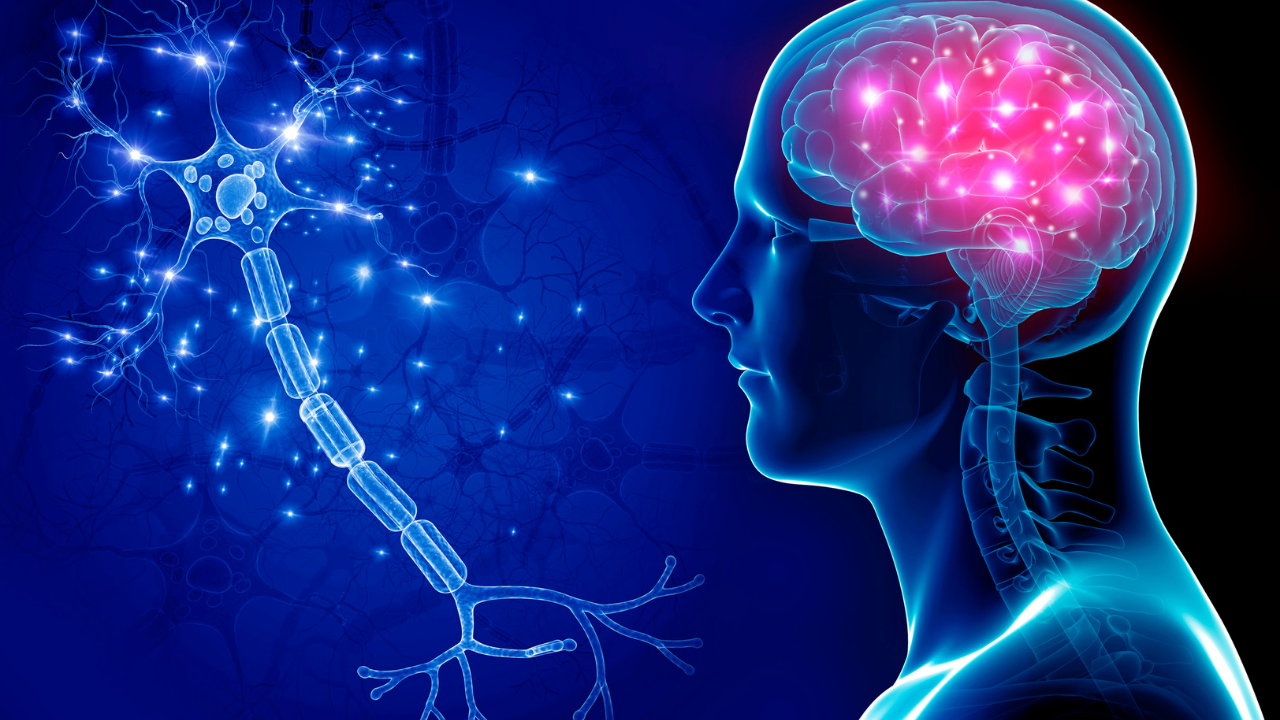

Hot & cold the huge health benefits
Hot and cold can help us lose weight and keep our metabolic rate high. As well as keep insulin levels on an even keel.
Hey there! Today, we will talk about hormesis, the beneficial response our body experiences when exposed to low doses of stress.
Specifically, we will discuss the differences between hot and cold Hormetic stress and why they benefit our health.
First, let's break down what we mean by "hormetic stress." Hormesis is the idea that exposure to low-stress doses can benefit our health.
Increasing your stress levels might sound counterintuitive, but hear me out!

Our body is alert when exposed to stressors like heat, cold, or toxins. Our cells interpret these stressors as a threat and respond by activating various protective mechanisms. These mechanisms can include the release of antioxidants, the activation of heat shock proteins, and the upregulation of cellular repair mechanisms.
Now, let's discuss the difference between hot and cold hormonal stress. Hot Hormetic stress, as you might expect, involves exposure to heat.

Positive stress can come in many forms, such as spending time in a sauna or bathing in hot water. When exposed to heat, our body responds by activating heat shock proteins. These proteins help to protect our cells from damage and can even promote cellular repair.
In addition, heat stress has been shown to increase our levels of antioxidants, which can help to combat oxidative stress.
On the other hand, cold-hormonal stress involves exposure to cold temperatures. This can be achieved through cold showers, ice baths, or even spending time outside in the cold. When exposed to cold, our body responds by activating different mechanisms. For example, exposure to cold temperatures increases the production of a hormone called norepinephrine, which can help to improve mood and cognitive function. Cold stress has also increased the activity of brown adipose tissue, a type of fat that can burn energy and improve metabolic health.

So why are these types of stress beneficial for our health?
As mentioned earlier, exposure to low-stress doses can activate our body's protective mechanisms. Enabling a strengthened immune system, improving cognitive function, and extending our lifespan. Studies have shown that regular exposure to hot or cold stress can have a variety of health benefits, including:
Improved cardiovascular health: Both hot and cold stress improves cardiovascular function by increasing blood flow and reducing inflammation.
Reduced inflammation: Exposure to hot or cold stress can help to reduce inflammation in the body, which is a critical factor in many chronic diseases.
Improved metabolic health: Both hot and cold stress improves metabolic health by increasing insulin sensitivity and promoting the growth of brown adipose tissue.
Improved cognitive function: Exposure to cold stress improves mental function by increasing the production of norepinephrine. Meanwhile, exposure to heat stress improves mood and reduces symptoms of depression.
Of course, it's important to note that there are limits to how much stress our body can handle. Exposure to high-stress levels can harm our health, causing oxidative damage and increasing inflammation. In this case, less is more! However, with low doses of stress, our body can activate its protective mechanisms without causing harm.
So there you have it - the difference between hot and cold Hormetic stress and why they're so beneficial for our health.
If you're interested in trying out hot or cold stress for yourself, it's essential to start slow and gradually build up your tolerance. Remember, the key is to expose yourself to low doses of stress rather than overwhelming it.
As I mentioned earlier, exposure to cold temperatures can increase the activity of brown adipose tissue, or brown fat. Brown fat cells are specialised for thermogenesis, or the production of heat. So when exposed to cold temperatures, our brown fat cells activate and burn energy to generate heat and keep us warm.
Now, what's the difference between brown-fat and white-fat cells?
White-fat cells are the most common fat in our bodies and are primarily responsible for storing energy. When we consume more of the wrong foods causing stress loads to increase, our body stores the excess energy as white fat. However, when our body comes into balance, our body can break down white-fat cells and use the stored energy.
Brown fat cells, on the other hand, are specialised for thermogenesis. They contain a large number of mitochondria, which are the powerhouses of the cell that produce energy. So when exposed to cold temperatures, our brown fat cells activate and burn fuel to generate heat. This process is called non-shivering thermogenesis, which helps us stay warm in cold environments.
So what are the benefits of activating brown fat cells through exposure to cold temperatures? Well, there are several. First and foremost, brown fat cells can burn energy, which can help to improve metabolic health and promote weight loss. In addition, studies have shown that people with more active brown fat cells tend to have lower body mass indexes (BMIs) and lower levels of insulin resistance.
Brown fat cells produce a hormone called irisin, which has various health benefits. For example, Irisin can help to improve glucose metabolism, reduce inflammation, and even improve cognitive function.
Some studies have even suggested that irisin may have anti-ageing properties.
Of course, it's important to note that not everyone has the same amount of brown fat cells, and some people may have none. However, research has shown that exposure to cold temperatures can increase brown fat in our bodies. So if you want to activate your brown fat cells, consider taking cold showers, swimming in a cold pool, or simply spending more time outside in the cold.
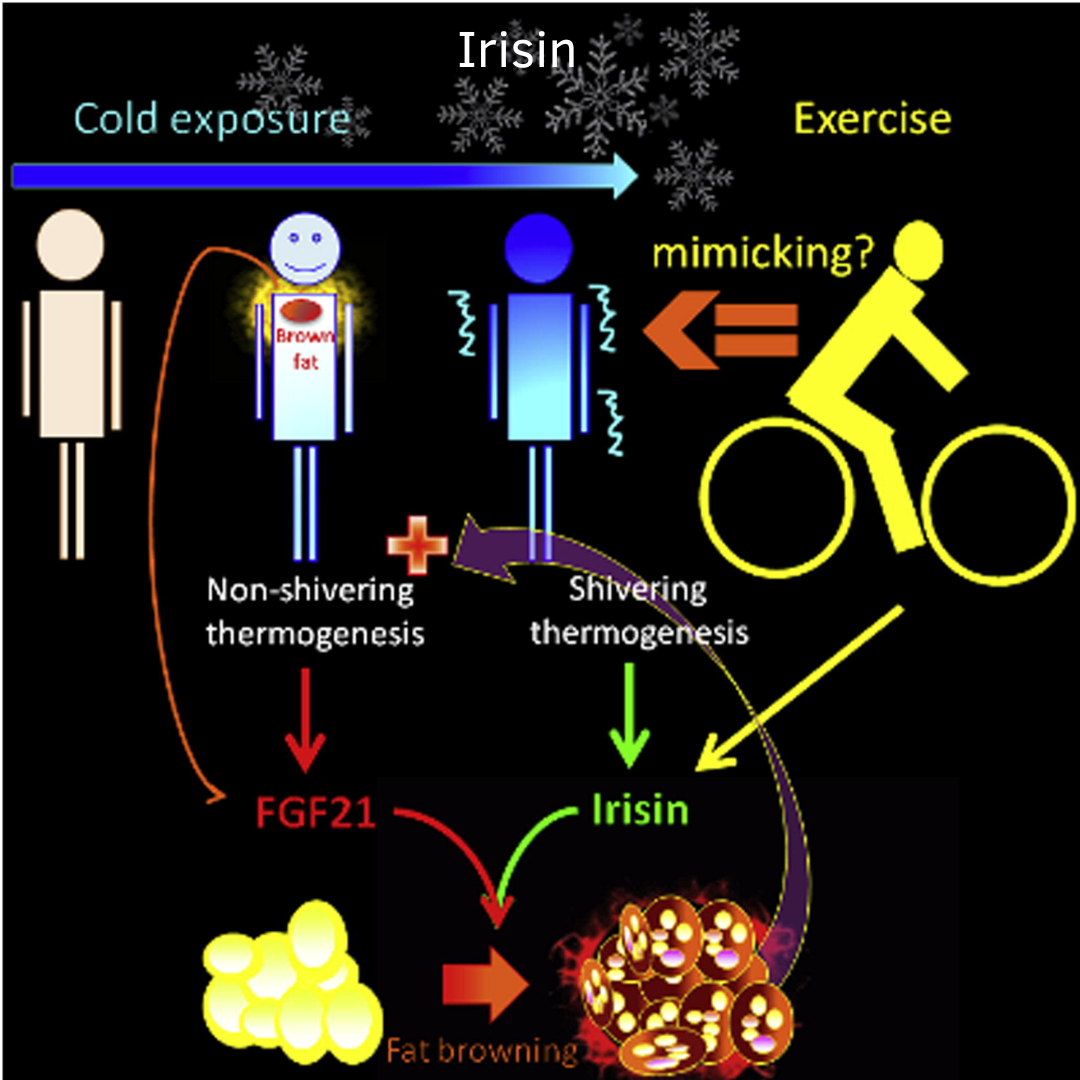
In summary, brown fat cells specialise in thermogenesis and can burn energy to generate heat. Therefore, exposure to cold temperatures can activate brown fat cells, which can help to improve metabolic health, promote weight loss, and even have anti-ageing properties. So if you want to improve your health, consider incorporating some cold exposure into your routine!

The huge benefits of Cayenne pepper
Just think that this spice that has probably been languishing in your pantry for years, could, in fact save your life. Read on, it is a game changer and as more and more people start using it, not as something to put on our food sparingly. But using it mindfully as a supplement. We might, just might see our health improving!!
Just think that this spice that has probably been languishing in your pantry for years, could, in fact, save your life. Read on. It is a game changer and as more and more people start using it, not as something to put on our food sparingly. But using it mindfully as a supplement. We might, just might, see our health improving!!
Cayenne pepper is a chilli pepper used for centuries as a natural remedy for various health conditions. Capsaicin is the critical component in cayenne pepper that provides its healing properties. Capsaicin is responsible for the heat and spiciness of cayenne pepper and is also the compound that gives it its medicinal benefits.
Cayenne pepper as a herbal remedy, particularly regarding heart and circulation health, as well as other health benefits.
As a practitioner, I have seen this fantastic spice's results right before my eyes. A client of a colleague of mine was suffering from a heart attack in the car park of his clinic. After a hefty dose of the cayenne tincture, he stopped feeling the symptoms, and once checked out at the hospital,
he had NO damage to the heart after it.
Of course, you don't want to leave it so late. Taking Cayenne in such a simple way, as described in the video, can save your life.
One of the primary benefits of cayenne pepper is its ability to improve heart and circulation health. Studies have shown that capsaicin can help to reduce blood pressure and improve blood flow to the heart. It does this by causing the blood vessels to dilate, which allows more blood to flow through them. In addition, capsaicin can reduce the risk of blood clots, leading to heart attacks and strokes.
It can help make the arteries more flexible and reduce the impact even small clots can make if they are rigid and narrow.
Cayenne pepper also has some lesser-known health benefits. For example, Cayenne is an effective natural pain reliever. This is because capsaicin can block pain signals from the nerves to the brain. As a result, it can relieve pain from conditions such as arthritis, neuropathy, and even post-surgical pain.
In addition to its pain-relieving properties, cayenne pepper is also a natural anti-inflammatory. Inflammation is a natural process in the body that helps to fight off infections and heal injuries. However, chronic inflammation can lead to various health problems, including arthritis, diabetes, and heart disease. Capsaicin reduces inflammation by inhibiting the production of inflammatory compounds in the body.
Cayenne pepper may also have benefits for weight loss. Studies have found that capsaicin can increase metabolism, which can help the body to burn more calories. In addition, reducing appetite and increasing feelings of fullness can lead to a reduction in calorie intake.
Cayenne pepper may have benefits for digestive health. It stimulates the production of digestive enzymes, improving digestion and nutrient absorption. It may also help relieve gastrointestinal symptoms such as irritable bowel syndrome (IBS) and ulcers.
Plus, Cayenne pepper can stop bleeding, internally and externally. It literally can prevent you from having to have stitches if you cut yourself; I have found this works every time - Video to come with my personal experience with cayenne.
In conclusion, cayenne pepper is a powerful herbal remedy with many benefits. Its ability to improve heart and circulation health, reduce inflammation and pain, aid in weight loss, and improve digestive health make it a valuable addition to any natural health regimen.


Lies, Lies and more lies!
Over the years, especially over the last few, it has become apparent that we have been lied to with all aspects of our lives, and our health has been at the forefront of this assault.
This isn't new, and it has been going on for decades. Well, the last hundred or so years is where it became the powers that be's top priority.
Over the years, especially over the last few, it has become apparent that we have been lied to with all aspects of our lives, and our health has been at the forefront of this assault.
This isn't new, and it has been going on for decades. Well, the last hundred or so years is where it became the powers that be's top priority.
Since big business took over and made our "health", well, our disease, their priority.
The attack on our well-being has been multipronged with so much disinformation that it makes your head reel just thinking about it. From cancer to heart disease to obesity to depression and anxiety, we have been lied to. Unfortunately, if you want to know more about this, all you have to do is follow the money.
But here I would like to briefly focus on three politicised areas of our lives, that when you start to think about how we have been affected, how our health has been destroyed (as a collective, we are getting sicker and sicker)by these simple, but essential pieces of skulduggery.
The first that has been slowly Leaking into public awareness is the vilifying of saturated fat.
Saturated fat, mainly animal fat, has been used by humans for thousands or more years. But all of a sudden, it was the root cause of Heart disease. A gentleman (if you can call him that) called Ansel Keyes published that animal fat was the root of clogged arteries and caused the rise in heart disease. How did he get this data?

He compiled a list of countries with low incidences of heart disease and included those with low levels of animal fat in the diet, and left the ones with high levels of heart disease and low levels of animal fats out of the equation. What this action did was skew the results of his hypothesis.
We have to wonder why he did this.
We can research deeper into the lobbying of certain vegetable oil groups and if they had financial implications. But I want to avoid going down that bottomless rabbit hole right now.
What we can do now is to go down another avenue that happened around the same time, the rise of the sugar industry.

While Ansel Keyes was pushing his animal-fat hypothesis, about the same time (1950's or thereabouts), the sugar industry was making huge inroads into all foods and drinks. As a result, sugar found itself in more and more foods, and our health was deteriorating in proportion to the amounts of sugar we consumed.
More heart disease, more cancers. Plus, of course, the rise of metabolic syndrome, obesity and diabetes all start their slow rise in the population.
It became increasingly apparent to many medical researchers, who all tried to point out that sugar was one of the main culprits.
Still, their voices disappeared along with any representatives of reason. All we heard for years was that animal fat is wrong and sugar is essential for energy.
We have always had animal fats (most of the time, animal fat was essential for our survival, and we never had sugar in its concentrated form at any time in our history).
Even in 2010, when I started my program Fast track to health, clients were told by their doctors that they shouldn't leave out sugars as it was vital for energy production! Even being in ketosis was a negative thing. Why?
Now it seems more and more people realise that sugar isn't good for them, despite all the advertising. Still, we have a long way to go, as sugar is one of the most challenging products to stop consuming, harder than many addictive drugs. However, now there might be a piece of the puzzle that can identify why it is so hard.
That is salt.

Yep, the other vilified ingredient that is so bad for our health. We have been told it is the root of our high blood pressure, heart disease and strokes.
What if I told you that this fantastic ingredient could actually stop high blood pressure, lower blood sugars, lower sweet cravings and even help you with many areas of your health and well-being?
You probably wouldn't believe me. After all, there is lots of science behind this one, isn't there?
Well, it turns out not, just like Ansel Keyes, it was all hypothesis and bullying of big business. Multiple studies have proven the opposite, all of which have been buried (along with the saturated fat research). If you do some research of your own, you will be shocked. It is fascinating.
For example, if you are on medications, like blood pressure meds, diuretics ( herbals or meds), Antidepressants and antipsychotics, then your need for sodium goes up ( I am writing more on salt in another blog to go into a lot more detail so that I won't go into that now)
So why has salt been targeted? Good question. Consider this, salt, over millennia, has been vital for survival, not just for humans but all species on the planet.
Why have we been exposed to a campaign against it? The war on salt has been ongoing since the 1970s and hasn't abated.
Just like saturated fat, salt has been a mainstay of our evolution.
Sugar, on the other hand, hasn't. So, yes, we have had honey and fruits at certain times of the year, but never in the volume we have today.
We have been taken for a ride by a vast marketing campaign against multiple healthy foods and pro ingredients that not only don't serve us( This includes vegetable oils and all sugars).
I could go into the fact that big Pharma has had the most significant gain from keeping us fat and sick. But that would be a very long, long document.
Not everything we have been told is accurate, and even if it has been perpetuated for decades, it doesn't mean we have to follow the dogma, especially if you try another way and feel so much better!!
If you want to know more, I will share more info on this subject in the coming weeks. I am passionate about this. I know that misinformation has been coming through thick and fast. But I know after working with thousands of clients, I know that traditional diet and lifestyle have enabled us to survive and thrive, and this is what I wish for us all!

What are mitochondria?
Our Mitochondria sustain human life by generating the energy that powers our cells. By supporting mitochondrial fitness, we support the optimal functioning of almost every cell and system in our body.
In short, Boosting our mitochondria can help us live a long and healthy life.
What are mitochondria?
Why do you need to know what they can do and how you can support them?
Whether you want to treat an ailment, lose excess weight or balance your hormones, this information is beneficial.
Your physical and emotional well-being will significantly improve if you act on a few of the suggestions below.
How do they help us?
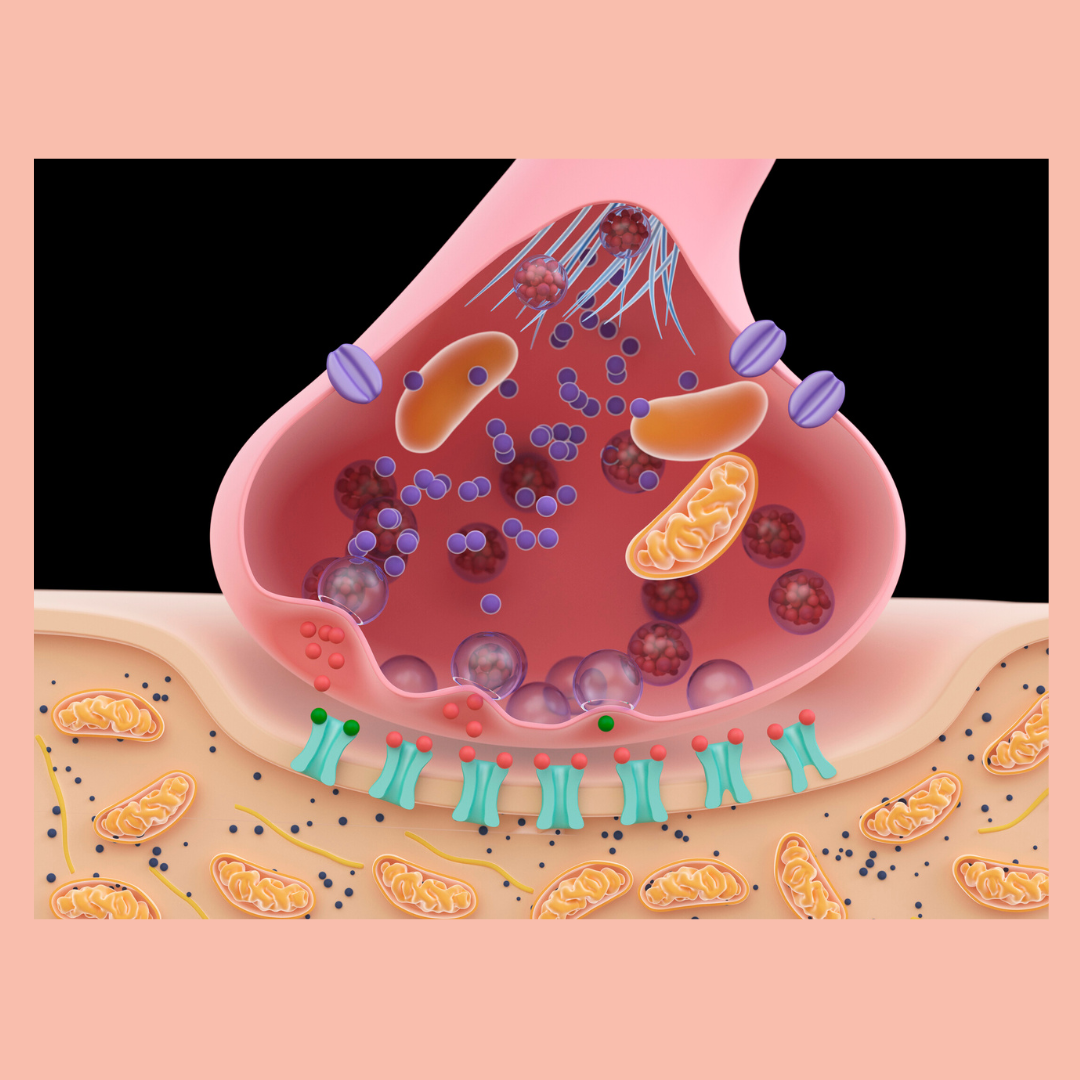
Mitochondria are specialized structures found in all cells. They participate in many cellular processes. Their most important function is to extract the energy stored in the chemical bonds of nutrients (electrically charged particles called electrons) and transform it into energy that cells can use to power their activity.
This form of energy is a molecule called ATP (from adenosine triphosphate), and the process is called cellular respiration.
Because mitochondria generate around 90 per cent of all ATP produced in our body, they are known as "the powerhouse of the cell." I call it our furnace.
When mitochondria work optimally, our cells are fueled and work efficiently, and the biological pathways run smoothly. But when mitochondria are dysfunctional, they then start to accumulate damage, and cellular processes begin to get disrupted gradually.
Mitochondrial dysfunction caused by damage accumulation is one of the significant signs of ageing.
The importance of Boosting Mitochondria function.
Dysfunctions in the mechanisms of ATP production in our mitochondria, particularly in the electron transport chain pathway, increase the production of byproducts called reactive oxygen species that can damage mitochondria at high concentrations. Mitochondrial dysfunction creates a rolling snowball of damage that can gradually grow to affect all biological processes in our body.
This process happens naturally as the years pass. However, improving mitochondrial fitness, the efficacy in generating energy and their capacity to avoid or repair damage to their biochemical machinery may contribute to a healthy ageing process.
Ways You Can Boost Mitochondria
Calorie restriction - Fasting
Reducing calorie intake (through various fasting levels, for example) is the most successful way to achieve longevity. This success can be attributed to an increase in mitochondrial bioenergetic efficiency.
Calorie restriction acts as a stress signal that triggers several mitochondrial adaptions:-
It improves the activity of the electron transport chain and regulates the production of reactive oxygen species and oxidative stress.
Supports mitochondrial quality control mechanisms, responsible for preventing and repairing damage
Promotes the renewal of the mitochondrial network through the elimination of damaged mitochondria, Autophagy and the production of new mitochondria (biogenesis)
I am a big fan of fasting. In all its guises, you are fasting if you go without food for 12 hours or more. The short-term fasting technique is called intermittent fasting - if you have a window of eating, anything from 9- 2 hours is intermittent.
You can, however, fast from 24, 48, 72 hours and beyond. By doing this, you are making significant changes in your body. The length of time depends on your goals. Fasting will do you any harm. In fact, if you do this within guidelines, you can achieve your health goals - If you would like to know more, book a time, and I can give you directions depending on your physical and emotional needs.
if you would like to know more about the benefits of fasting see my blog - Fasting why
Exercise
Exercise requires a great deal of energy to power our muscles. That burdens muscle mitochondria, signalling that energetic demand to the rest of the cell. Muscle cells respond by increasing mitochondrial proliferation. as well as more mitochondrial enzymes. Doing this increases the respiratory capacity of muscles, i.e., their ability to produce ATP from nutrients to power muscle contraction.
It is an adaptation of our muscle cells to exercise and one of the reasons why when we exercise regularly, we keep on improving.
Exercise is also one of the best ways to improve mitochondrial biogenesis and function of our muscles, which helps to delay the age-related decline in mitochondrial activity and muscle health.
Mitochondrial nutrients
Many nutrients can help mitochondria do their work and maintain their fitness. These nutrients provide substrates and cofactors that support or stimulate mitochondrial enzyme activity; they enhance cellular antioxidant defences; they scavenge free radicals and protect mitochondria from oxidation; and they protect and repair mitochondrial membranes.
Mitochondrial nutrients are:- B vitamins, minerals, polyphenols, and other nutrients such as L- carnitine, alpha-lipoic acid, coenzyme Q10, pyrroloquinoline quinone and creatine.
They can be used as supplements or found in natural, unprocessed foods: fruits and vegetables, nuts and seeds, seafood, and meat. (believe it or not, the more absorbable forms are via animal foods, like meat, eggs and fish)
Sleep
The human brain needs a lot of energy due to its high metabolic rate, and the brain accumulates a lot of metabolic waste. Therefore, during sleep, the brain can detox any products that can be toxic to mitochondria.
An example is the molecule beta-amyloid. At normal levels, beta-amyloid protects neurons and supports their activity. However, when it accumulates excessively, beta-amyloid harms neurons, particularly their mitochondria, which can trigger neurodegenerative processes.
Because neuronal mitochondria power every brain function, avoiding this accumulation of toxic waste is essential. A stormy night's sleep regularly damages your mitochondria, but on the other side, a good night's sleep helps the brain keep mitochondria healthy.
Relaxation techniques
Psychological stress impacts our physical health, and the health of our mitochondria has a vital role in this influence.
Stress can alter mitochondrial structure and function through stress hormones, and the mitochondria sense other stress signals.
Chronic stress can be the root cause of any mitochondrial dysfunction and can then modify cellular and biological processes.
Stress-induced mitochondrial dysfunctions can be particularly harmful to the nervous, endocrine and immune systems, from which a generalized negative impact on our body can develop.
Therefore, practices that help manage stress — meditation, yoga, tai chi deep breathing, for example — may help prevent the effects of stress. If you practice any of these regularly, it has been shown in studies to upregulate genes linked to healthy mitochondrial function.
Sunlight
Without forgetting that excessive unprotected sunbathing can be very harmful, it's important to remember that the right amount of sun is vital for your health. As you know, a side effect of sunlight is the production of vitamin D in our skin.
Vitamin D is essential for mitochondrial activity and the health of the mitochondria. Therefore, vitamin D supplements in vitamin D-deficient adults can help improve the mitochondria's health, enhancing our muscles. Furthermore, studies have shown that vitamin D promotes mitochondrial biogenesis and increases the oxidative capacity of mitochondria in muscles and brown fat (brown fat is our good fat!).
Cold exposure
When we're cold, two types of tissues respond immediately by generating more heat One is skeletal muscle, which produces heat through shivering. The other is brown adipose tissue, responsible for non-shivering heat production.
Shivering releases heat by burning fuels and using ATP to power muscle contraction. Shivering thus recruits mitochondria to generate heat indirectly. However, unlike other tissues, brown adipose tissue has a molecule that can uncouple respiration from ATP production and use it instead to produce heat actively. Brown adipose tissue uses mitochondria to generate heat directly.
In both of these (skeletal muscle and brown fat), cold stimulates an increase in mitochondrial activity and mitochondrial biogenesis. Therefore, cold exposure through cold showers or other cold therapies can boost mitochondria to keep us warm.
Heat exposure
Heat can also trigger beneficial biological responses. For example, heat is a mild stress signal, triggering cell responses that promote adaptation.
Mitochondria is one of the primary agents of that adaptation. The action with heat has been extensively studied, and it turns out that heat stress triggers a beneficial adaptive response in mitochondria that increase their functional capacity.
These effects have been shown in skeletal and cardiac muscles, for example. In addition, routine sauna bathing can improve endurance and reduce cardiac risks.
There are other exciting actions that cold and hot can help our mitochondria with, but I am sure you get my point.
Our Mitochondria sustain human life by generating the energy that powers our cells. By supporting mitochondrial fitness, we support the optimal functioning of almost every cell and system in our body.
In short, Boosting our mitochondria can help us live a long and healthy life.
Alchemy, an over view
Transform your health and well-being with the power of alchemy. Our personalized approach, combining natural methods and holistic principles, supports your body's biological healing processes and empowers you to achieve optimal health and vitality. Read more about Alchemy below…….
Alchemy is an ancient practice that combines elements of chemistry, philosophy, and spirituality. It is commonly associated with the pursuit of turning base metals into gold. Still, the term has taken on a broader meaning in modern times. In the context of health and wellness, alchemy refers to using natural methods to enhance the well-being of individuals while achieving the best possible results.

The use of natural methods to improve health is a concept that has been introduced previously. People have used natural remedies such as herbs, foods, and other natural substances for centuries to treat various ailments.
However, alchemy takes this approach to another level by incorporating a holistic perspective that considers not only the physical body but also the individual's emotional, mental, and spiritual aspects.
The alchemist sees the human body as a microcosm of the universe. Just as the universe is composed of different elements that interact, so is the body consisting of different elements that must be balanced and harmonized to achieve optimal health. The alchemist understands that each individual is unique and requires a personalized approach considering their needs, preferences, and goals
One of the key principles we use in modern-da alchemy is the belief that the body has an innate ability to heal itself.
The alchemist does not see themselves as the healer but rather as a facilitator of the healing process. The alchemy practitioner works with the client to identify the underlying causes of their health issues and develop a plan that supports the body's natural healing processes.
The alchemist also recognizes that health is not just about the absence of disease but also about the presence of vitality, energy, and joy.
Working with the client to identify areas where they may be experiencing stress, negative emotions, or limiting beliefs and develop strategies to overcome these obstacles and cultivate a sense of well-being and resilience.
Alchemy also uses natural methods that support the body's natural rhythms and cycles.
This may include herbal remedies, homoeopathy, nutritional supplements, dietary changes, exercise, meditation, or other natural practices.
As an alchemist, we understand that the body is a complex system that requires a balance of nutrients, energy, and information to function optimally. Therefore, we work with the client to identify the most appropriate natural methods for their needs and develop a plan supporting their body's natural rhythms and cycles.
As an alchemist, I also recognize that health is not just about the individual but their relationship with the environment.
We understand that the planet's health is intimately connected to the individual's health and vice versa. Therefore, I work with clients to identify ways to reduce their environmental impact and cultivate a deeper connection to the natural world.
Overall, alchemy in health and wellness is about working with the client to achieve optimal health and well-being using natural methods supporting the body's healing processes.
It is a holistic approach that considers not only the physical body but also the individual's emotional, mental, and spiritual aspects. I use alchemy as a personalized approach that recognizes each individual's unique needs, preferences, and goals and seeks to support their journey towards more abundant health and vitality.
One of the benefits of alchemy is that it empowers individuals to take control of their health and well-being. Rather than relying on external sources of authority, the alchemist encourages the client to actively participate in their healing journey. By developing a deeper understanding of their body, mind, and spirit, the client can make more informed choices about their health and develop a greater sense of self-awareness and self-empowerment.

Laundry and other household chemicals could be making you fatter!!
Phthalates are endocrine disruptors. Your endocrine system is a network of glands (thyroid gland, ovaries, etc.) and the hormones (insulin, estrogen, etc.) they produce. These hormones communicate with cells and tissues to regulate many functions – this can result in insulin resistance, obesity and thyroid disease.
Little known fact: 99% of laundry detergents are chock full of harmful chemicals that impregnate your clothes and rub off into your skin,
These chemicals can enter your bloodstream and wreak havoc inside your body.
One type of chemical is called phthalates.
Studies show phthalates produce more and BIGGER fat cells once exposed.
Scientists also found they can interfere with metabolism and appetite, making it more likely to overeat and gain weight.
This makes phthalates one of the significant chemicals to AVOID.
In addition to washing powders, phthalates are in many other products, including food containers, food packaging, children's toys, plastic wraps made from polyvinyl chloride (PVC), and some colognes perfumes, hair products, car interiors, Air fresheners and plugins, electronics, Pesticides (so in our food chain), waterproof fabrics, deodorants, lotions and body washes.
Phthalates are semi-volatile organic compounds in plastics because they make them soft and flexible. Though commercially valuable, these chemicals can easily leach out of plastics to contaminate our food, water supply, and even the air we breathe. This is when phthalates become a real problem.
So how does this happen?
Phthalates are endocrine disruptors. Your endocrine system is a network of glands (thyroid gland, ovaries, etc.) and the hormones (insulin, estrogen, etc.) they produce. These hormones communicate with cells and tissues to regulate many functions – this can result in insulin resistance, obesity and thyroid disease.
Phthalates, once in the body, disrupt the endocrine system in the following negative ways:
They mimic, or partly mimic, our naturally occurring hormones.
When they mimic, they bind to our hormone receptors so that our naturally occurring hormones can't
This bonding causes our bodies to have irregular physical responses since the hormones that are supposed to attach to our receptors can't
When this happens to our natural hormone function, our bodies can't regulate our systems efficiently.
The interesting thing about these chemicals is that they are often used to cover certain medications.
Phthalates are used as inactive ingredients in producing enteric coatings (to slow down the absorption in the gut).
It is unknown how many medications use phthalates, but some include omeprazole, didanosine, mesalamine and theophylline.
Avoid excessive exposure to this chemical and others we haven't covered here.
Here are a few suggestions to limit exposure to Phthalates:-
Only use natural skin products
Avoid laundry detergents with fragrances in them. Purchase ones that use essential oils to scent them.
Keep clear of all perfumes and infused products, and use essential oils instead.
Avoid reheating food in plastic containers -
Purchase products in glass containers
Purchase food in its original form - not cut up for ease of use
Only purchase milk in glass bottles
Buy organic products where available
Look at your medication and ask for alternatives.
Don't eat in fast food restaurants - Phthalates abound in fast foods!
Make your cleaning products using white vinegar, bicarbonate of soda etc.
Do one or more of the above suggestions, and you could be reducing your risk, not just of obesity but of other Diseases. So it is definitely worth the effort.

Could those LOVELY-SMELLING perfumes, toiletries and other HOUSEHOLD products be making you fat?

Have a look at our amazing programmes that simply can and will change your life

6 months to Transformation program
Why six months? What is the benefit of signing up for six months? After all, six months seems like a long time.
It is a short time to change our bodies and our lives completely.

Just imagine that the image of yourself that you see in the mirror today, In six months YOU could be completely changed!

Yes, you really can change that much in 6 months
We incorporate the same foods as in Fast Track and encourage you to do 24 to 72 hours of fasting. Plus, extra detoxification techniques (optional but very worthwhile), and we encourage you to look at your surroundings, home, work, and car. Then do some cleansing there too!
YOUR WHOLE LIFE COULD BE COMPLETELY TRANSFORMED IN JUST 6 MONTHS
WHY WAIT? TAKE THE PLUNGE TODAY!
Why six months? What is the benefit of signing up for six months? After all, six months seems like a long time.
It is a short time to change our bodies and our lives completely.
What if the person looking back at you in the mirror today is not the same as the one who will be looking back at you in 6 months if you take the plunge and commit to yourself? If you decide to refrain from committing to this process, it is improbable that you will change your habits. Not to the extent that you will do if you do commit.
My program has helped 1000's of my clients lose weight. However, I have found that many, once they have lost weight in the first stage, our Elimination stage. This phase includes low-inflammatory foods, intermittent fasting and some excellent remedies - see the shop for more information about this.
Elimination is a 6-week process, where you can lose 10kgs or more. Many then feel so good that they step out of the process and go back, gradually, into old eating patterns.
Going back to old eating patterns will eventually lead to weight gain, often gaining back the weight lost.
As the designer of this program, it was not the object of the process. Instead, I want to help my clients to lose weight and keep it off.
So I designed step 2, which we call the "discovery phase", again six weeks. Where you can learn what your superfoods are and those which aren't your personal friends, even if they are "healthy" for others.
Clients who stepped into this phase were much less likely to gain weight. But I wanted more. For them as well as for myself. I wanted to add another layer. As a result, the habits learned in the first three months became deeply embedded practices, so much so that we were all constantly improving in every area of our lives.
So, Ultimate Detox was born. Three bonus months where we step up a gear and look at every aspect of us and then take it, give it a shake and feel the difference.
We had such fantastic success in our trials that I invite you to join us.
What is the difference between the first three months and the second?
FOLLOW US ON INSTAGRAM