
Why New Year’s resolutions rarely last (and what actually works)
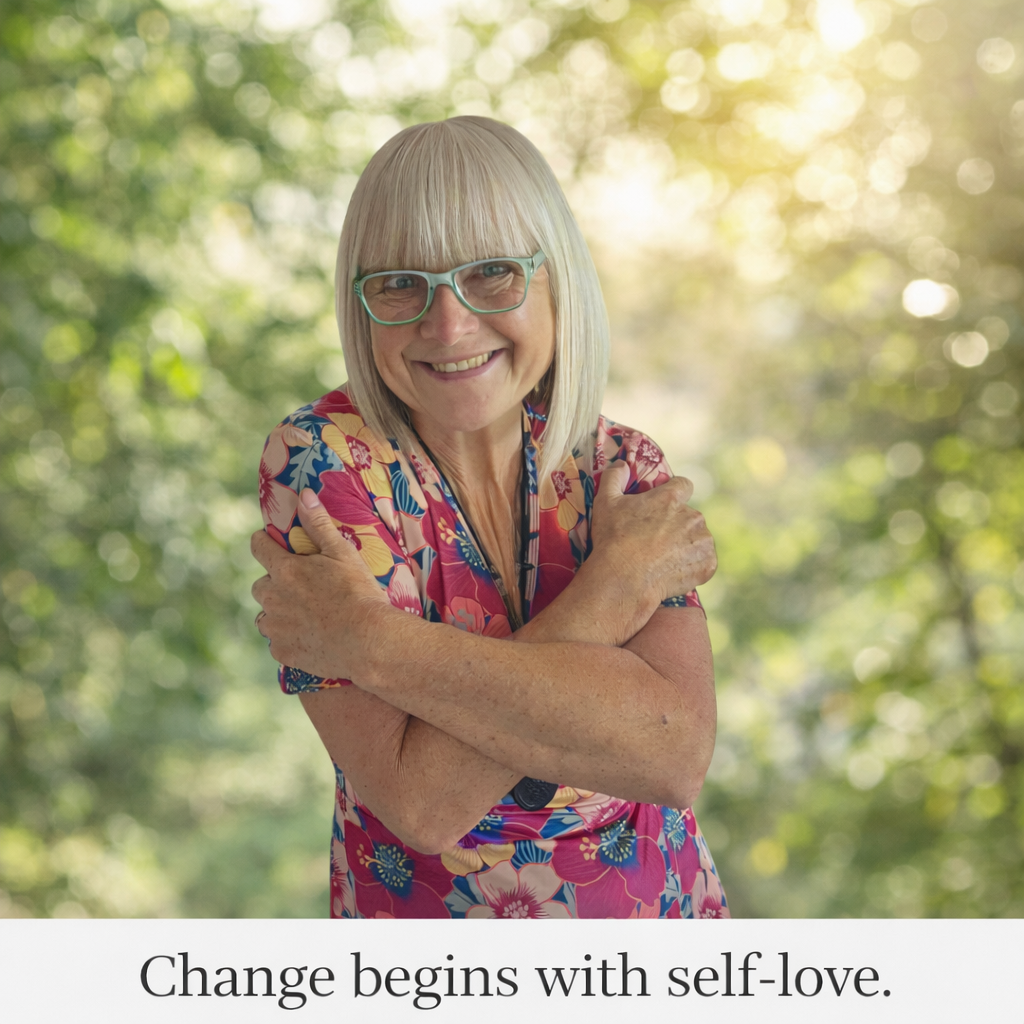
As the year draws to a close, many people are already thinking about New Year’s resolutions.
Eat better.
Lose weight.
Exercise more.
Finally “get it right”.
Yet, statistics consistently show that most resolutions are abandoned within weeks, sometimes days.
This isn’t because people are weak or unmotivated.
It’s because resolutions are often built on the wrong foundation.
Pressure Is Not Sustainable
Most resolutions are created from a place of frustration:
“I’m sick of this.”
“I need to fix myself.”
“I’ve failed again.”
That energy might fuel a strong start, but it doesn’t last.
The nervous system reads pressure as threat.
And when the body feels threatened, it protects itself.
That protection often looks like:
Cravings
Fatigue
Inflammation
Resistance
Self-sabotage
This isn’t because something is wrong with you.
But because the system is trying to keep you safe.
Where Self-Love Fits In
Self-love is often misunderstood.
It’s not about indulgence or letting things slide.
It’s about respect.
Self-love sounds like:
Listening instead of overriding
Supporting instead of punishing
Choosing consistency over extremes
Adjusting rather than quitting
When self-love is present, habits don’t feel like a battle.
They feel like care.
Why Health Changes Stick When Self-Love Leads
When you approach health from self-respect:
The nervous system stays calmer
Hormones respond more predictably
Digestion improves
Weight becomes easier to release
Consistency replaces cycles of all-or-nothing
This is why so many people feel relief when they stop fighting themselves.
A Different Way Forward
The new year doesn’t need another set of rules.
It needs a new relationship with yourself.
One built on trust.
On patience.
On understanding how the body actually works.
This is a skill.
Not something we’re ever taught.
I’ve been thinking about running an online workshop around self-love.
Not the fluffy kind, but the practical, grounded kind that actually supports health and long-term change.
If that’s something you’d be interested in, let me know in the comments or send me a message.
I’d love to hear.